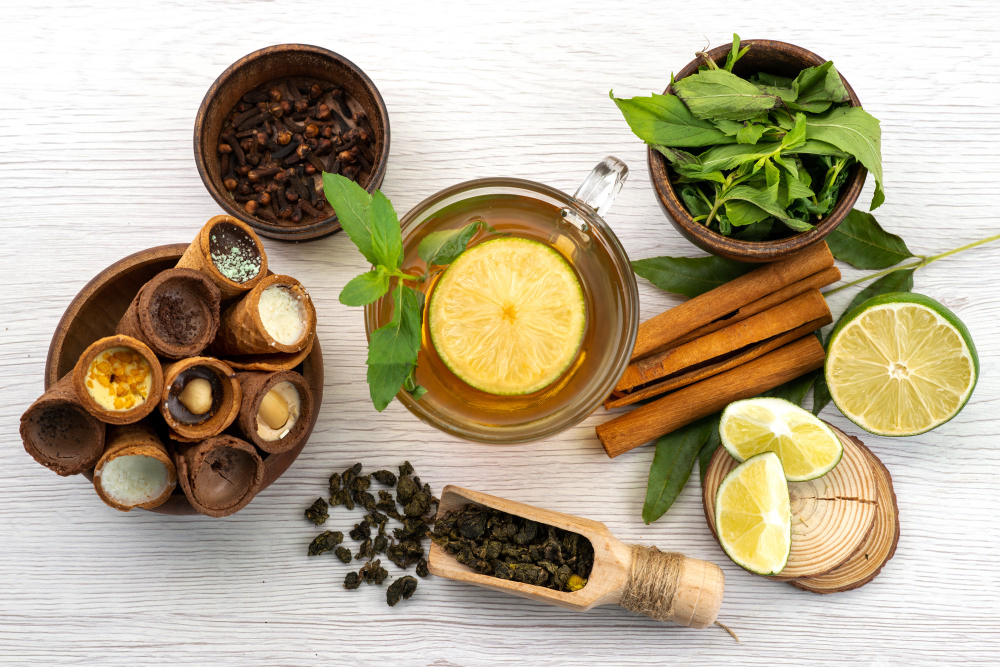
Ayurveda, the ancient Indian system of medicine, uses powerful herbs to support overall health and wellness. Below is an English translation of the listed herbs, along with additional information to help readers better understand their traditional uses.
🔹 Giloy (Tinospora cordifolia)
Benefits:
Considered beneficial for overall immunity
Traditionally used to support the body against various illnesses
Helps detoxify the body and improve digestion
🔹 Tulsi / Holy Basil (Ocimum sanctum)
Benefits:
Commonly used for cold, cough, and fever
Supports respiratory health
Traditionally believed to support liver function
Known for its antibacterial and antioxidant properties
🔹 Dodi / Dudhli (Traditional local herb)
Benefits:
Traditionally used to support eye health
Believed to improve eyesight when used appropriately
🔹 Bilva / Bael (Aegle marmelos)
Benefits:
Traditionally used to help manage blood sugar levels
Supports digestive health
Often used in Ayurvedic formulations for diabetes care
🔹 Nirgundi (Vitex negundo)
Benefits:
Known for its anti-inflammatory properties
Traditionally used for nerve pain, joint pain, and muscle aches
Helpful in body stiffness and swelling
🔹 Chanothi (Achyranthes aspera)
Benefits:
Traditionally used for oral and dental health
Supports gum health and mouth-related issues
🔹 Hibiscus / Jasad (Hibiscus rosa-sinensis)
Benefits:
Believed to support brain health and mental sharpness
Traditionally used for joint pain, knee pain, and arthritis
Helps reduce inflammation and body aches
🌿 Why Ayurveda Focuses on Herbs
Ayurvedic herbs work holistically by supporting the body’s natural balance, improving immunity, digestion, and overall well-being when used correctly.
⚠️ Important Disclaimer
Disclaimer: The information provided above is for educational and informational purposes only and is based on traditional Ayurvedic knowledge. It is not intended as medical advice. The effectiveness of herbs may vary from person to person. Always consult a qualified Ayurvedic practitioner or healthcare professional before using any herbal remedies, especially if you are pregnant, nursing, taking medication, or have a medical condition.